Welcome to JIECHENG



Leave Your Message
Welcome to JIECHENG
Alright, so picking the right Silicone Thermal Insulation can really make a big difference in how your project turns out. This stuff is popular because it handles heat like a champ and is pretty versatile. I get it—there are tons of options out there, and it can feel downright overwhelming trying to choose the right one.
A lot of companies offer different Silicone Thermal Insulation products, each with their own little perks. Some are perfect for really high temperatures, while others are better if moisture is a concern. So, doing a bit of homework to figure out what matches your specific needs is totally worth it.
Honestly, I know it’s easy to get tempted by all the flashy products and end up feeling lost. If you’re unsure, chatting with an expert or checking out reviews can really help clear things up. And don’t forget—sometimes, the most advertised option isn’t necessarily the best choice. Keep an eye on durability and how well it retains heat—those are the real deal for long-term success. Trust me, navigating this maze of options might feel tricky, but it’s all about making smarter, more informed decisions that pay off in the long run.
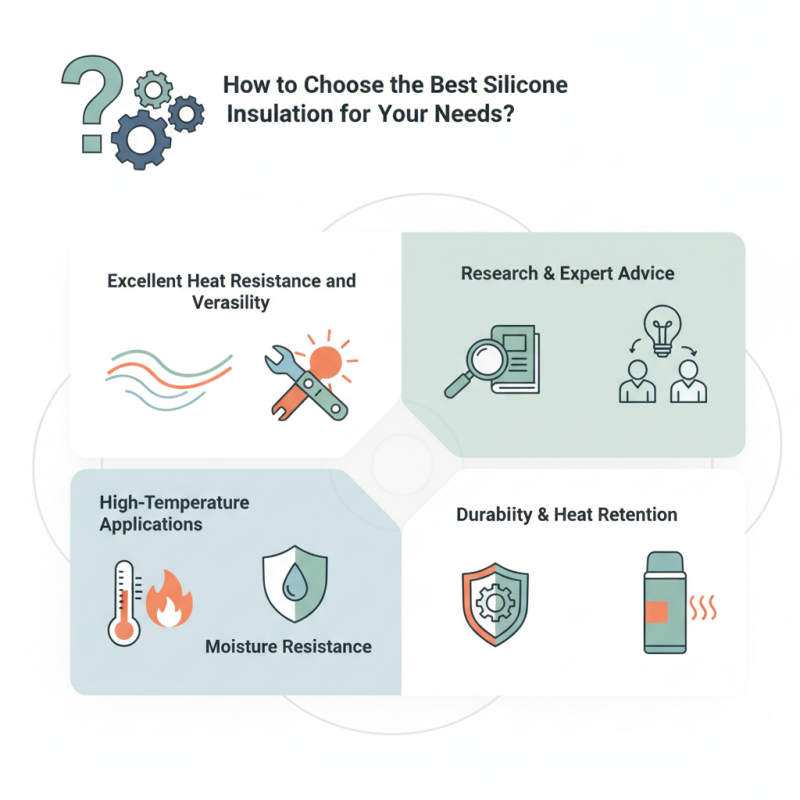
Silicone thermal insulation is becoming increasingly popular in various industries. It excels in applications requiring temperature control and energy efficiency. Its unique properties make it suitable for both high and low-temperature environments. This versatility enhances its appeal across different sectors, from automotive to construction.
One significant benefit of silicone insulation is its durability. It can withstand harsh conditions without degrading. This is crucial for projects that demand long-lasting solutions. However, not all silicone materials are created equal. Some may lack the resilience needed for extreme temperatures. It's vital to assess the specific requirements of your project when choosing insulation.
Another factor to consider is thermal conductivity. Silicone materials often provide excellent thermal resistance, which helps in reducing energy costs. However, the initial installation may be more costly compared to other insulation types. This upfront investment can lead to savings over time. Weighing the long-term benefits against immediate expenses is essential for making an informed choice.
When selecting silicone thermal insulation, it's crucial to identify your specific needs. Begin by assessing the environment where the insulation will be used. Consider factors like temperature range, humidity levels, and exposure to chemicals. Each situation requires a tailored approach. For example, high-temperature environments may need specialized grades of Insulation Silicone that can withstand heat without degrading.
Next, think about the application. Are you insulating pipes, tanks, or surfaces? Each application has unique requirements. Insulation Silicone can help prevent energy loss and protect against condensation. Measure the dimensions of your installation area accurately. This will ensure you purchase an adequate quantity and avoid waste.
Budget is another important factor. Though cheaper options may be tempting, prioritize quality to ensure reliability. Investing in the right thermal insulation can save money in the long run. If you're uncertain, consulting a professional can provide clarity. They can help you refine your choices and address your specific challenges. Making the wrong choice can lead to inefficiencies, so take the time to reflect on your needs before deciding.
When evaluating different types of silicone thermal insulation products, it's essential to consider the specific requirements of your application. Silicone thermal insulation comes in various forms, such as Silicone Cloth Insulationand silicone foam. According to a report by Research and Markets, the silicone Insulation Market is projected to grow significantly, driven by increasing demand for energy-efficient solutions. This indicates a trend towards more innovative, environmentally friendly materials.
The durability of silicone insulation is another crucial factor. Silicone Cloth Insulation is known for its high resistance to extreme temperatures, making it suitable for both industrial and commercial applications. It can withstand temperatures from -60°F to 500°F. However, not all silicone insulation products offer the same level of performance, which can lead to inefficient energy use or increased costs.
Tip: Always verify the thermal conductivity ratings of the insulation. High-quality silicone must have a low thermal conductivity for effective insulation. Additionally, consider the thickness of the insulation. A thicker material may provide better insulation but could also add weight and space constraints.
Also, reflect on the environmental impact of the materials. Some silicone insulation products may not be recyclable. Selecting eco-friendly options can mitigate long-term waste issues. Balancing performance, sustainability, and cost is vital when making your choice.
When selecting silicone thermal insulation, several factors demand your attention. First, consider the temperature range. Silicone can withstand temperatures from -50°C to 230°C. This range meets the needs of many industrial applications. However, for extreme conditions, you may require specialized silicone formulations. Research by the American Society of Thermal Insulation notes that improper material choice can lead to inefficiencies and higher energy costs.
Material thickness is another critical factor. Thickness impacts insulative properties. According to the National Institute of Standards and Technology, increasing insulation thickness can result in a 10-30% reduction in energy losses. Additionally, flexibility and ease of application are necessary. Some applications may demand materials that can conform to complex shapes. This adaptability can be vital in ensuring a consistent thermal barrier.
Lastly, consider longevity and environmental effects. Silicone insulation typically exhibits high durability and resistance to moisture and chemicals. However, poor installation can affect its lifespan and performance. Studies show that nearly 30% of installations fail due to subpar application techniques. It is essential to evaluate potential installation issues. Attention to detail is key to achieving optimal results.
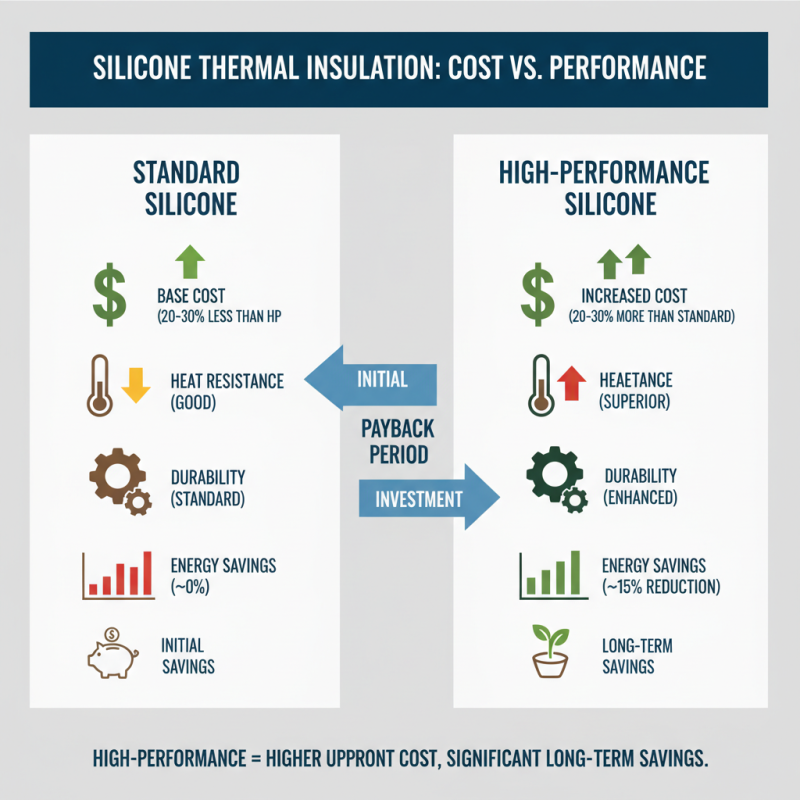
When selecting silicone thermal insulation, cost and performance are essential factors. Different types of silicone insulation vary significantly in price. For instance, high-performance silicone often costs 20-30% more than standard options. However, its durability and heat resistance can be worth the investment. Data shows that high-performance insulation can reduce energy costs by nearly 15%, providing long-term savings.
Performance should not be overlooked. Some products excel at thermal stability, while others prioritize flexibility. A study by the Thermal Insulation Association found that products with a silicone base can withstand temperatures up to 500°F. This range is crucial for industries like aerospace and manufacturing, where extreme conditions are common. Still, it’s vital to assess the specific requirements of your application.
Consider installation and maintenance costs too. Silicone thermal insulation can require specialized installation, increasing upfront expenses. Conversely, its lower maintenance needs can offset these costs over time. Users should weigh these factors carefully. Balancing performance and cost is not always straightforward. Making the right choice requires thorough research and consulting specialized reports for the latest data on insulation technologies.
Installation and maintenance of silicone thermal insulation require careful attention. First, ensure the surface is clean and dry. According to industry reports, proper surface preparation can improve adhesion by up to 30%. This is crucial for maximizing the effectiveness of Silicone Rubber Insulation. A poorly prepared surface can lead to insulation failures and increased energy costs.
When applying Silicone Rubber Insulation, consider the environmental conditions. Temperature and humidity can affect curing times. Experts recommend waiting for ideal conditions to avoid complications. Additionally, inspect the insulation regularly for signs of wear or damage. Industry studies show that timely maintenance can enhance the insulation's lifespan by 40% or more. Look for cracks, peeling, or discoloration as indicators of potential issues.
In terms of long-term care, cleaning is essential. Use mild soap and water to maintain the integrity of the silicone material. Harsh chemicals can degrade the insulation over time. Regularly scheduled inspections and maintenance checks are advisable. Keeping a maintenance log can help track the condition and performance of your Silicone Rubber Insulation. Reflection on the installation process offers valuable insights for future projects, helping to refine techniques and improve outcomes.
When choosing silicone thermal insulation, several questions frequently arise. One common query is how to determine the best thickness for insulation. Thicker materials generally provide better thermal resistance, but they can also add weight and bulk. For certain applications, thinner silicone options, such as Silicone Fiberglass Cloth, may suffice and save on space. Conducting temperature tests can also guide thickness decisions.
Another important aspect is the insulation's temperature rating. Users often wonder how high the material can withstand heat. Generally, silicone thermal insulation can handle extreme temperatures, often exceeding 500°F. It's crucial to verify the temperature limits based on your specific application. Misjudging this can lead to thermal failure or damage, which is often costly and detrimental.
Durability and resistance to environmental factors are also critical considerations. Many users overlook that silicone insulation can degrade over time when exposed to UV light or chemicals. Regular inspections will help maintain performance and safety. Ultimately, understanding your unique needs and exploring various silicone options will lead to the best insulation choice for your project.
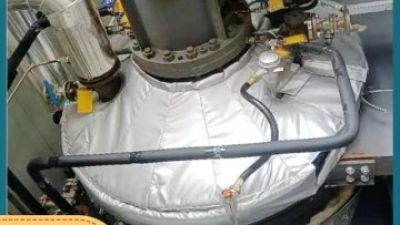
Removable valve insulation jackets are becoming increasingly essential in various industries due to their numerous benefits. Designed to operate efficiently within a broad temperature range of -70°C to 1000°C, these jackets provide exceptional thermal insulation with a thermal conductivity of less than 0.035 W/(m·k) at normal temperatures. This level of efficiency can lead to significant energy savings and reduced heat loss, thereby optimizing process efficiency in industries such as oil and gas, chemical processing, and power generation.
The material properties of these insulation jackets further enhance their application versatility. With a density range of 100-200 kg/m3 and a thickness between 35mm and 50mm, they are structurally resilient yet lightweight. Their flame-retardant performance is rated A grade, indicating non-flammability, which is a critical safety feature in high-risk environments. Additionally, these jackets boast excellent resistance to acids, alkalis, water, and oils, making them suitable for use in corrosive environments where traditional insulation materials may fail. Research indicates that with a lifetime exceeding 10 years when properly maintained, removable valve insulation jackets offer a long-term solution, reducing the frequency and cost of replacement while ensuring persistent thermal efficiency and safety.
Selecting the right removable valve insulation jacket requires careful consideration of these intrinsic properties, as well as an understanding of specific application needs. With tailored installations, industries can benefit not only from enhanced insulation but also from minimized downtime and improved operational stability. As companies seek to adopt more sustainable practices, investing in high-quality insulation solutions becomes a pivotal step toward achieving energy efficiency and compliance with environmental standards.
: Silicone thermal insulation comes as silicone cloth insulation and silicone foam. Each has unique benefits.
Silicone insulation is highly durable and withstands extreme temperatures from -60°F to 500°F.
Always verify the thermal conductivity ratings. Low thermal conductivity ensures effective insulation performance.
Yes, thicker insulation can reduce energy losses by 10-30%. Balance thickness with weight and space concerns.
Poor installation can lead to failure. Studies show 30% of installations fall short due to application issues.
Not all silicone insulation materials are recyclable. Look for eco-friendly options to reduce long-term waste.
Silicone can handle temperatures from -50°C to 230°C, suitable for various industrial applications.
Flexibility allows insulation to conform to complex shapes, ensuring a consistent thermal barrier for better performance.
Improper material choice can lead to inefficiencies and higher energy costs. Always evaluate your specific needs.
Yes, while silicone is durable, its performance can decline due to poor installation and environmental factors.
When selecting the best silicone thermal insulation for your needs, it is essential to understand its benefits, including durability, flexibility, and resistance to extreme temperatures. Begin by identifying your specific thermal insulation requirements, as this will guide you in evaluating various silicone thermal insulation products. Consider the factors essential for your choice, such as thermal conductivity, application area, and environmental conditions.
Additionally, comparing the costs and performance of different silicone thermal insulation options can help you make an informed decision. Finally, proper installation and maintenance are crucial for maximizing the effectiveness of silicone thermal insulation. Addressing common questions about its applications will further assist in ensuring that you choose the right solution tailored to your unique needs.